
connect
Our team is here to help. Contact our office or schedule an appointment below to take your next step!
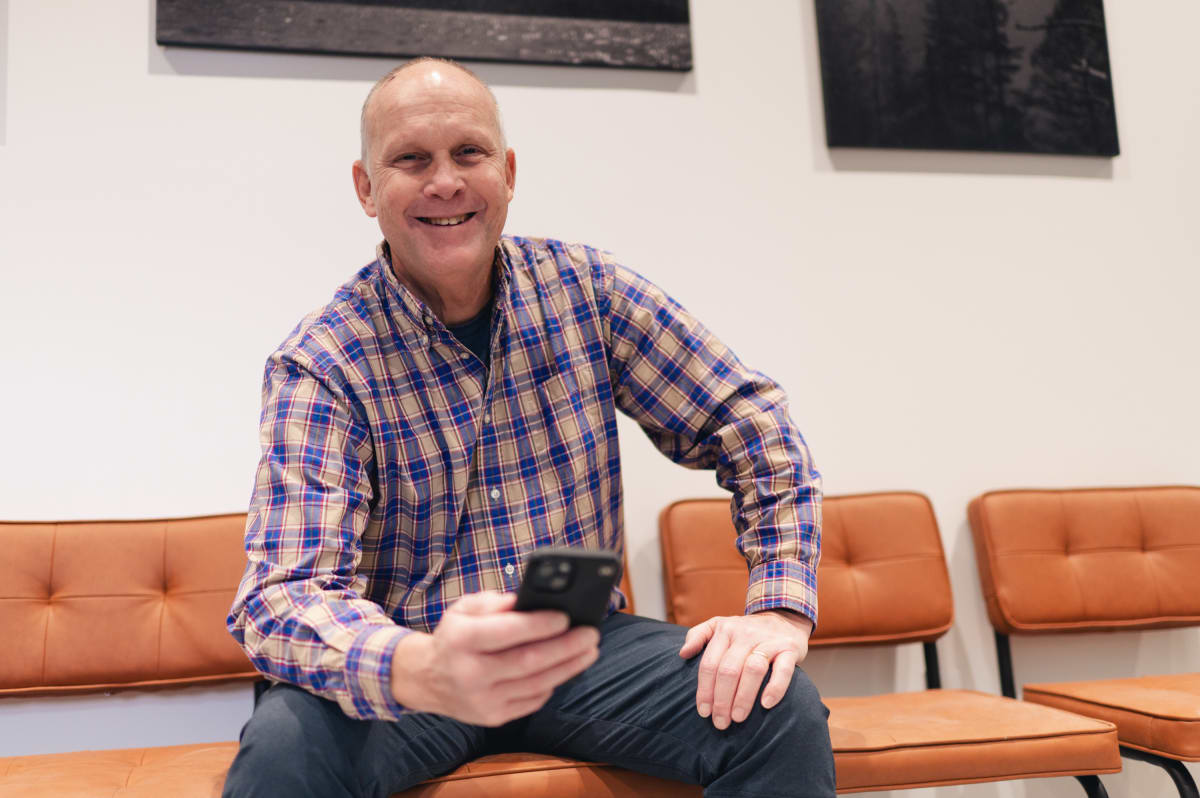

Maybe you've been in this situation before: you go to the dentist in hoping for a plan, but come out with a diagnosis that feels final: not enough bone, so no implants for you.
That's a hard thing to hear, and the disappointment that follows is completely understandable.
Most of the time, though, that sentence is a starting point, not a dead end. Bone loss is one of the most common things Dr. Chase and the team at Summit Dental Studio see in implant consultations here in Dayton. There are real, proven ways to work with it, whether that means rebuilding the bone so it can support an implant, or placing implants in areas where solid bone still exists. Dr. Chase handles everything from your very first consultation through the final restoration, so you're never handed off to another provider along the way.
If you were told no somewhere else, the more useful question is: what kind of no was it? Call (937) 977-1818, or request a consultation.
Your jaw is actually doing a lot of work behind the scenes. Every time you chew or bite down, your tooth roots send tiny pressure signals into the surrounding bone, and that steady activity is what keeps the bone dense and healthy. When a tooth is lost, those signals stop. Your body reads that area as no longer needed and gradually starts breaking the bone down, letting the ridge narrow and shrink over time. There's no pain and no warning sign, which is why "significant bone loss" so often comes as a surprise years later.
A few things can speed that process up. Gum disease breaks down the bone that supports your teeth while they're still in place, which is why periodontal treatment matters long before a tooth is ever lost. Traditional dentures rest on top of the gum rather than anchoring into the bone, so the ridge underneath keeps shrinking. That's exactly why a denture that fit well five years ago now shifts around at dinner. Waiting a long time between losing a tooth and replacing it matters too. The first year after an extraction is when the most bone change happens, so placing a dental implant sooner helps protect what you still have.
None of that means you did something wrong. Bone loss is common, and it rarely tells the whole story about what's still possible.
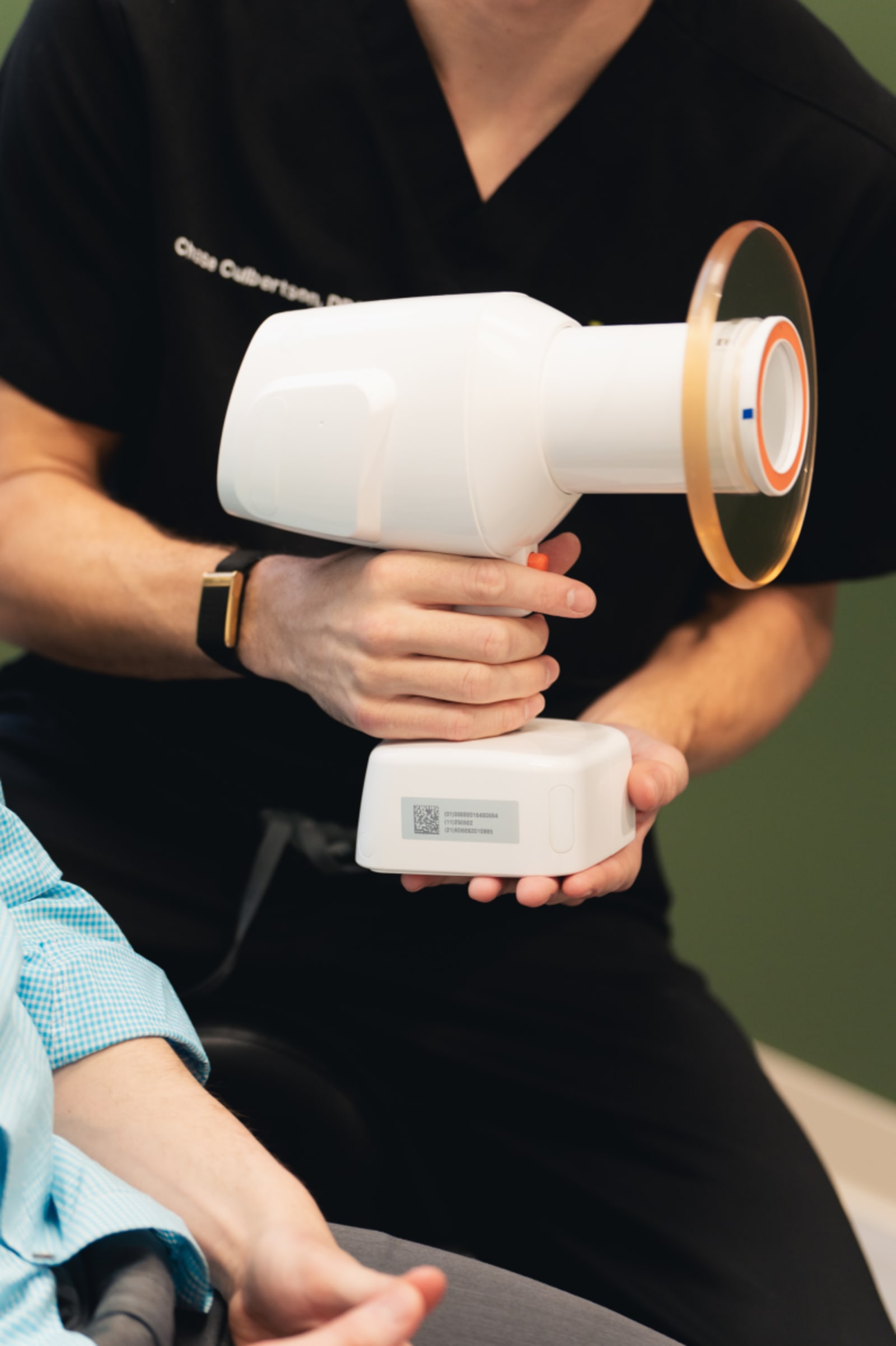
Grafting is the most common answer when there isn't enough bone to place an implant. Here's what actually happens: graft material is placed where the bone is thin. It holds the space open and acts as a scaffold, giving your own cells something to grow into. Over the healing period, new bone forms through and around that material, and once the site has filled in, it can support an implant properly.
It's a process that happens in stages rather than a single appointment, and it's one of the most routine things done in implant dentistry. Which type you need depends on where the bone is missing and how much. Our oral surgery care covers this work from start to finish.
This is done right after a tooth is removed, before the ridge has a chance to collapse. If you know an extraction is coming and implants are somewhere in your future, socket preservation protects the bone you still have, so you're not rebuilding something you didn't have to lose in the first place.
This is for bone that has already narrowed or shortened over the years. The width and height of the jaw are rebuilt so there's enough solid structure to hold an implant securely. It's the most common path for patients who lost teeth a long time ago and are only now looking at implants.
This one applies to the upper back jaw, where the sinus cavity sits close to where implant roots need to go. The sinus membrane is gently lifted and graft material is placed beneath it, creating the vertical space needed for implants in an area that tends to have the thinnest bone in the mouth.
Healing takes months, and that's the part worth understanding upfront. If a previous office told you implants weren't possible, it's worth asking whether they meant your bone truly can't support an implant, or simply that it hasn't been built up yet. Four to six months of healing is often the difference between those two answers. Once you're healed, implants can move forward as planned.
Grafting is a great solution for a lot of people, but it isn't the right fit for everyone. Some health conditions make healing slower and a multi-stage process more difficult. Some patients have lost so much bone that grafting alone won't be enough. And some people simply don't want to add months of waiting to something that has already felt like a long journey. The good news is there are other ways forward.
Full-arch solutions like All-On-Four and TeethXpress place implants at an angle rather than straight down into the jaw. That angle lets them reach denser bone that's still present, often toward the front of the jaw, so a small number of well-placed implants can support a full set of teeth. You may have seen these advertised. For a lot of patients who thought they were out of options, this approach means no major grafting at all.
When the upper jaw has lost a significant amount of bone, the cheekbone usually hasn't. Zygomatic implants are longer implants that anchor into that dense cheekbone instead of the jaw itself. Because of their length and the precision required to place them, they call for a level of surgical training that goes beyond what most general dental offices offer. For patients who have been told their upper jaw bone is simply gone, this is often the technique that makes a full restoration possible.
Pterygoid implants reach back into dense bone at the rear of the upper jaw, an area that tends to hold up well even after years of denture wear. They're a good option when the back of the mouth doesn't have enough bone for standard implants and you want teeth you can actually chew with, not just smile with. Both pterygoid and zygomatic implants are a core part of what this practice was built to do.
These techniques are a big part of why Dr. Chase pursued training across North and South America. These are the cases other offices refer out or turn away. They're the ones he built this practice to take on, handling the treatment planning, the surgery, and the final restoration himself.
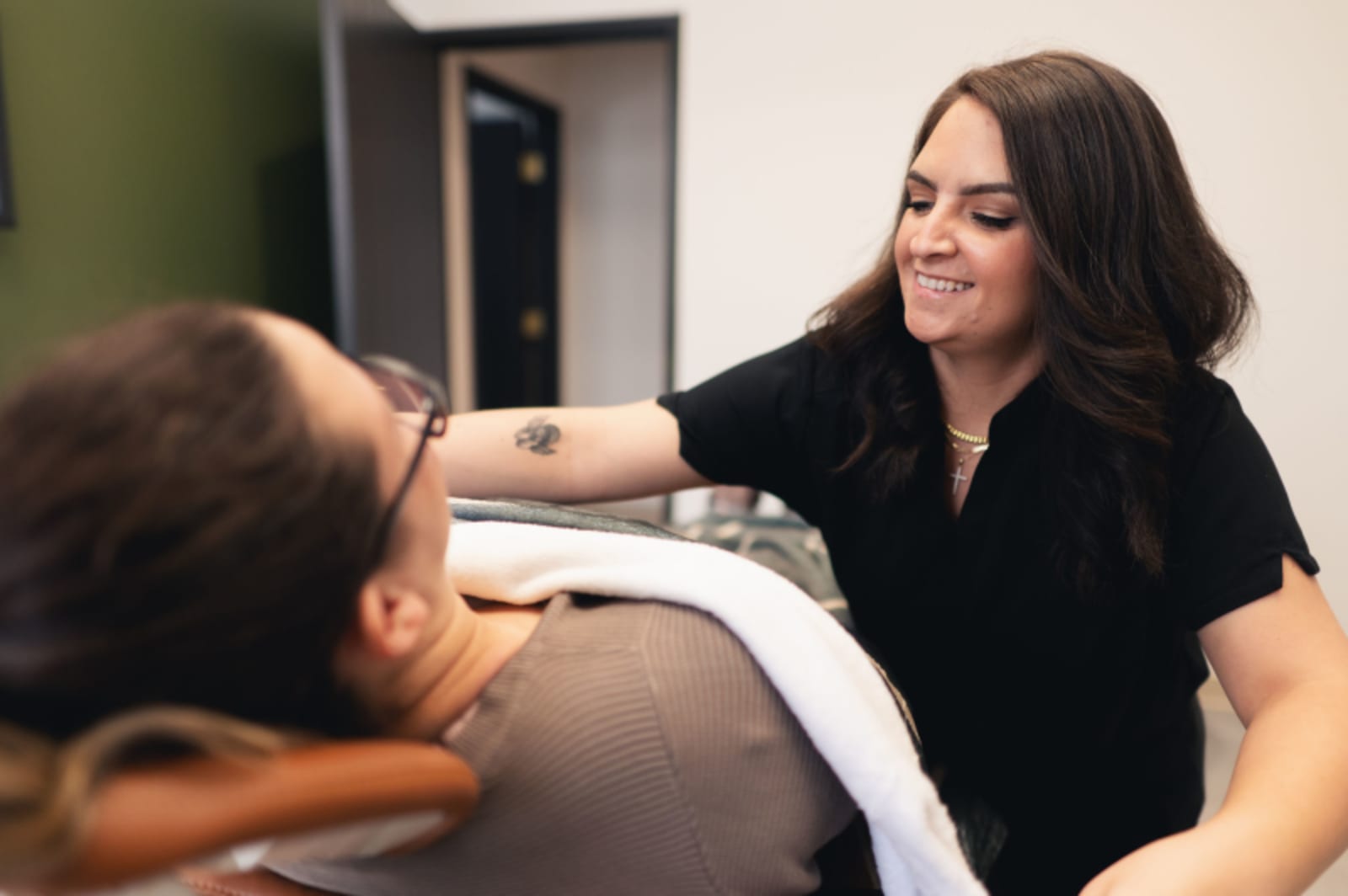
If another office told you there wasn't enough bone, it's worth asking how they reached that conclusion. Most of the time, it comes down to a standard 2D x-ray and a visual exam. That's a reasonable starting point, but it doesn't show the full picture.
A thorough bone evaluation starts with a CBCT scan. Think of it as a quick, low-radiation 3D image of your jaw that shows exactly how much bone is present at every spot where an implant might go. A flat x-ray can only show so much.
The CBCT picks up the width and depth of the bone, and it also shows where your sinus cavity and nerves are sitting, so nothing is left to guesswork. Dr. Chase uses that information to plan your treatment in precise detail before anything is placed.
When 3D facial scanning and digital planning are added to that, the conversation shifts from "we think there's enough bone" to "here's exactly what's there, and here's the plan." That's what makes the process predictable. It's the same foundation behind every full mouth reconstruction case here.
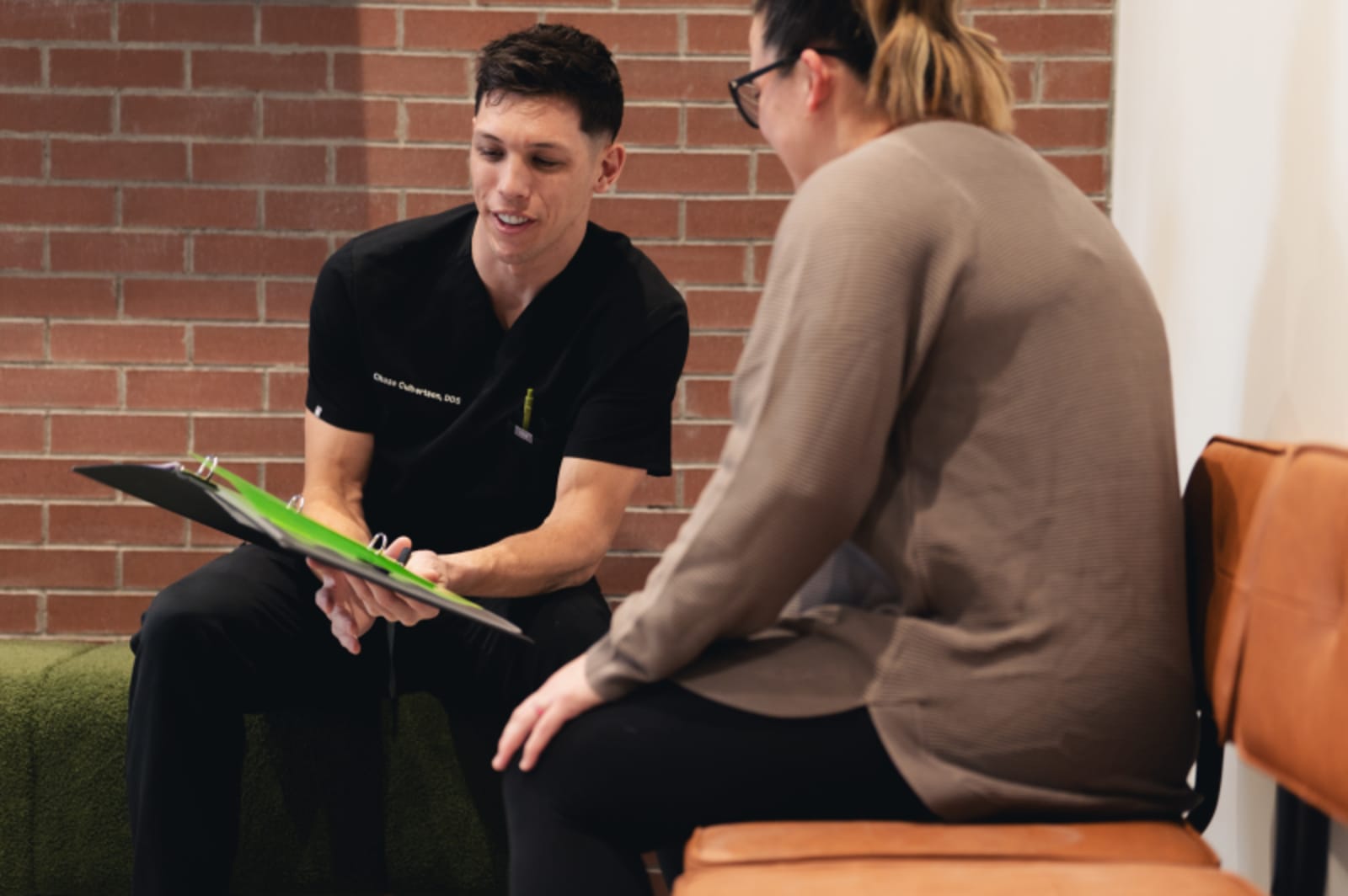
You are not starting over. Everything you have already been given is useful, so bring it along:
And a few questions worth asking at any office you visit:
A lot of patients get lost in the middle of treatment with no clear sense of where things are headed. You should leave any consultation able to explain your own plan to someone else in plain terms. If you cannot, keep asking until you can.
In most cases, yes. There are two main paths: rebuilding the bone through grafting, or placing implants in areas where solid bone still exists, like the cheekbone or the back of the upper jaw. A 3D scan is what tells us which path makes sense for you specifically.
Most patients are surprised by how manageable the recovery is. People often compare it to having a tooth pulled rather than anything more involved. If you want to be fully relaxed through the appointment, oral conscious sedation and IV sedation are both available here.
Not exactly. The graft material acts as a scaffold, holding the space open so your own cells have something to grow into. Over time, new bone forms through and around it, and the result is a solid foundation that can support an implant.
It really depends on which route is right for you. Angled full-arch solutions can move quickly, and in some cases you can leave with teeth the same day. If grafting is part of the plan, there are a few months of healing before implants go in. You'll get a clear, realistic timeline at your consultation so you know exactly what to expect.
Usually, yes. A denture that used to fit well and now shifts around is a common sign that the ridge underneath has been shrinking. The more useful question is how much bone is left, and a 3D scan can answer that precisely. A ridge that has narrowed but still has some height often points toward grafting, or sometimes angled implants with no grafting needed at all. A ridge that has flattened significantly, especially in the upper jaw, is where techniques like zygomatic implants come into the picture. The same loose denture can lead to very different treatment plans, which is exactly why the scan comes first.
Hearing no from a dental office stays with you. It makes sense to feel hesitant about trying again. But whether you're a candidate for implants isn't a permanent verdict. It depends on how thoroughly your bone was evaluated and whether the office you visited had the tools and training to offer every available option.
Severe bone loss often requires advanced surgical techniques that many practices simply don't perform, and a treatment plan can look very different once those techniques are part of the conversation.
We're right here in Dayton, and patients come to us after hearing no somewhere else. Bring your records and your questions, and let's see what your scan actually says. Call us at (937) 977-1818 to get started.
Our team is here to help. Contact our office or schedule an appointment below to take your next step!