
connect
Our team is here to help. Contact our office or schedule an appointment below to take your next step!
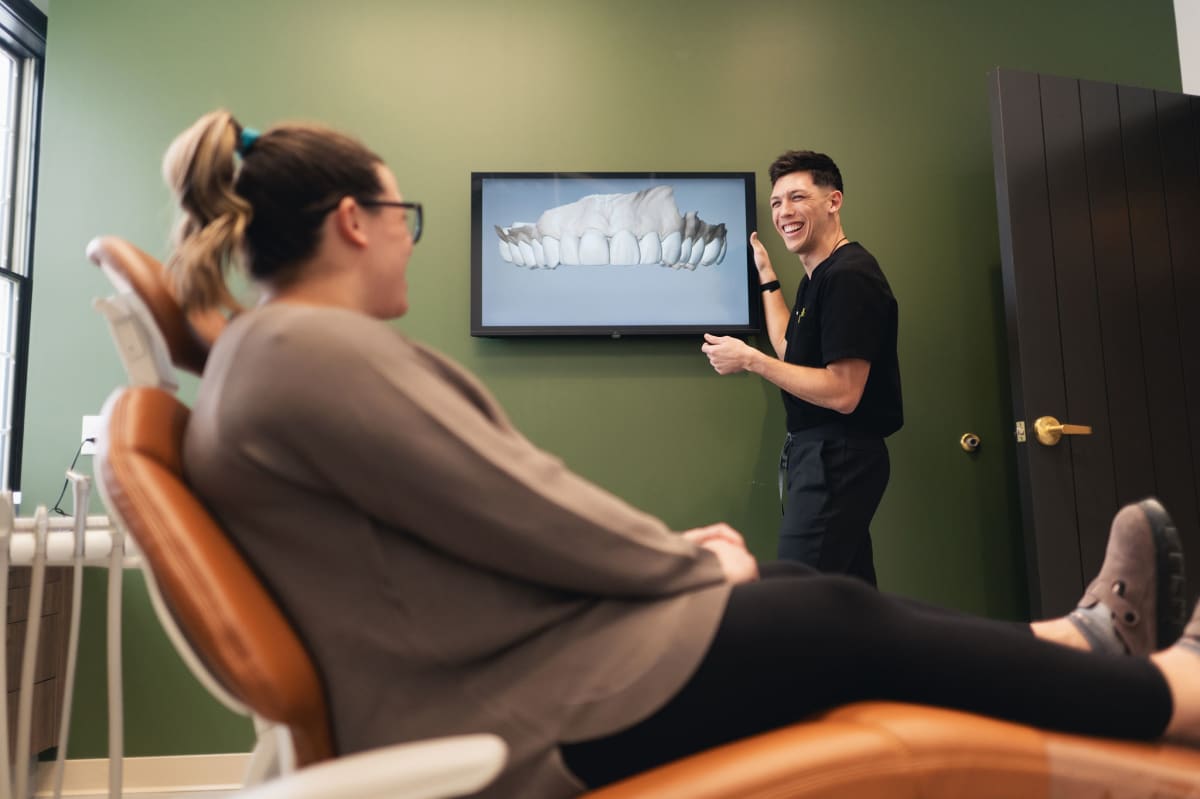

Has someone told you your gums need attention before the rest of your treatment plan can move forward? Maybe it came up at an implant consultation, or maybe it was a routine cleaning where the words "receding" and "exposed root" were mentioned.
Dr. Chase and the team at Summit Dental Studio take care of this right here in our Washington Village office, alongside the implant and full mouth work it usually supports. Dr. Chase plans your case, performs the grafting, and handles the restorations that follow, all in the same office.
Call us at (937) 977-1818 and we'll set up a consultation.
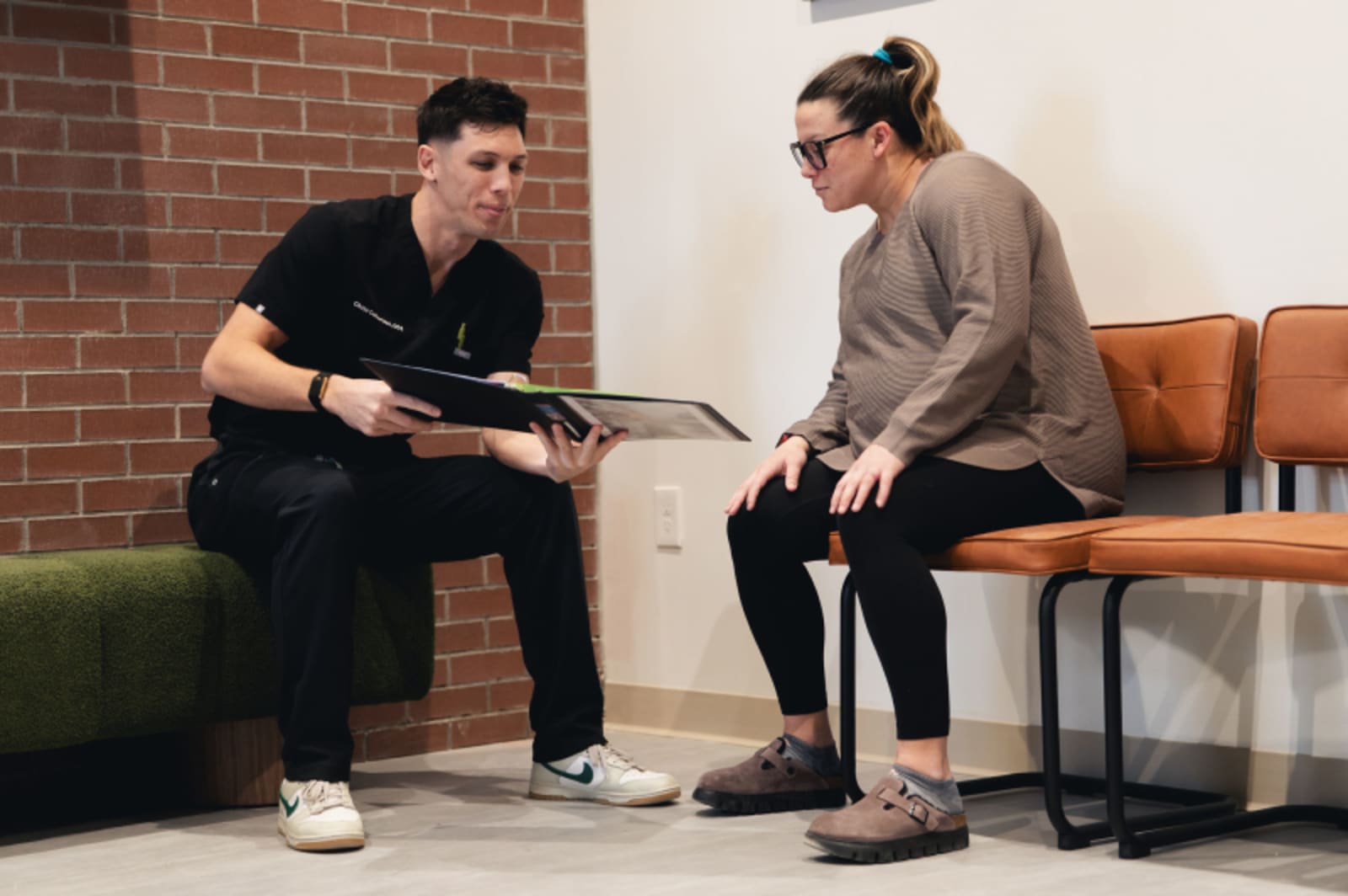
We take pain-free digital x-rays and use a small camera that lets you see your own gumline on the screen right in front of you. Then we talk through what we're seeing and what it means. If implants are part of your bigger plan, Dr. Chase also checks your bone support here and figures out the right order for everything. You leave with a clear plan, a timeline, and a real number for what it costs.
You settle in, and we take our time getting the area fully numb before anything else happens. If dental work makes you anxious, just tell us. Sedation is available, and we'll find the right option for you if desired.
Healthy tissue is gently placed over the area that needs coverage. That tissue may come from the roof of your mouth or from a donor graft material. Dr. Chase picks the approach that fits your mouth and your goals, and he'll walk you through which one and why well before your appointment day.
The graft is held in place with small sutures and protected so it can settle in undisturbed. Most single-site appointments wrap up faster than people expect.
Before you head out, we go over what to eat, what to avoid, and what's normal to feel over the next few days. We keep it simple and straightforward, not a sheet of medical jargon to figure out on your own. And if something comes up once you're home, we're always here.
Hearing the words "gum graft" can feel alarming, but not everyone who hears them actually needs one. At the same time, there are situations where putting it off quietly turns into a bigger, more expensive problem down the road. A consultation is the only way to know where you stand. Most people who come to us for this conversation are dealing with one of these:
If your recession is mild and not getting worse, we may simply keep an eye on it, work on your brushing technique, and address any active gum disease first. And if a tooth is beyond saving, we'll tell you that honestly and talk through what comes next, including whether implants make sense for you.
This is one appointment, and we don't rush it. We'll do an exam, take imaging, talk through what we're seeing, and put together a plan with a real number attached so you know exactly what to expect before anything is scheduled.
For most patients, this is a single visit. If you have more than one area that needs grafting, we'll often treat them together so you're not coming back multiple times for the same thing.
The first couple of days are the most noticeable. You can expect some swelling and tenderness, and you'll be sticking to soft foods for a bit. Most people say it feels sore rather than painful, and over-the-counter pain relievers are usually all that's needed. Desk work is realistic within a day or two. If your job involves physical activity, we'll talk through your specific timeline before you leave.
We'll check in with you shortly after the procedure to see how the site is healing and make sure everything looks the way it should.
If implants or other restorative work are part of your plan, the grafted tissue needs time to settle and mature before we move forward. We won't skip that step. Taking the time to get this right is what makes everything that comes after it hold up the way it should.
Before your appointment, there is not much to do. Eat a normal meal unless we have told you otherwise, let us know about any medications or supplements you take, and arrange a ride home if you are having sedation. One thing worth doing ahead of time is stocking your kitchen. Yogurt, eggs, lukewarm soup, smoothies you can eat with a spoon. You will be glad you thought of it.
Once you are home, the main job is to leave the graft site alone so it can settle in and heal. Here is what that looks like in practice:
For the long run, grafted tissue holds up best with gentle brushing, a soft-bristled brush, and regular cleanings. Brushing too hard is actually one of the most common reasons gums recede in the first place. We will show you the technique that protects your result and keeps things stable over time.
What you'll pay depends on how many areas need treatment, how much the gumline has pulled back, and which approach fits your situation. We don't post a number online because it wouldn't be your number. At your consultation, you'll leave with a specific figure and a written plan, not a ballpark that changes later.
We work with many dental insurance plans. Before treatment starts, our team checks your benefits so you know exactly what's covered and what isn't. For anything your insurance doesn't pick up, our front desk can walk you through a monthly financing application right at the counter, and you'll have an answer before you leave.
If it makes sense to treat different areas across separate visits, we can do that, so the cost comes in smaller pieces rather than all at once. And if grafting is part of a bigger treatment plan, we'll price everything together so you can see the full picture. We'd rather talk through all of it openly than have you put off care because the numbers felt unclear.
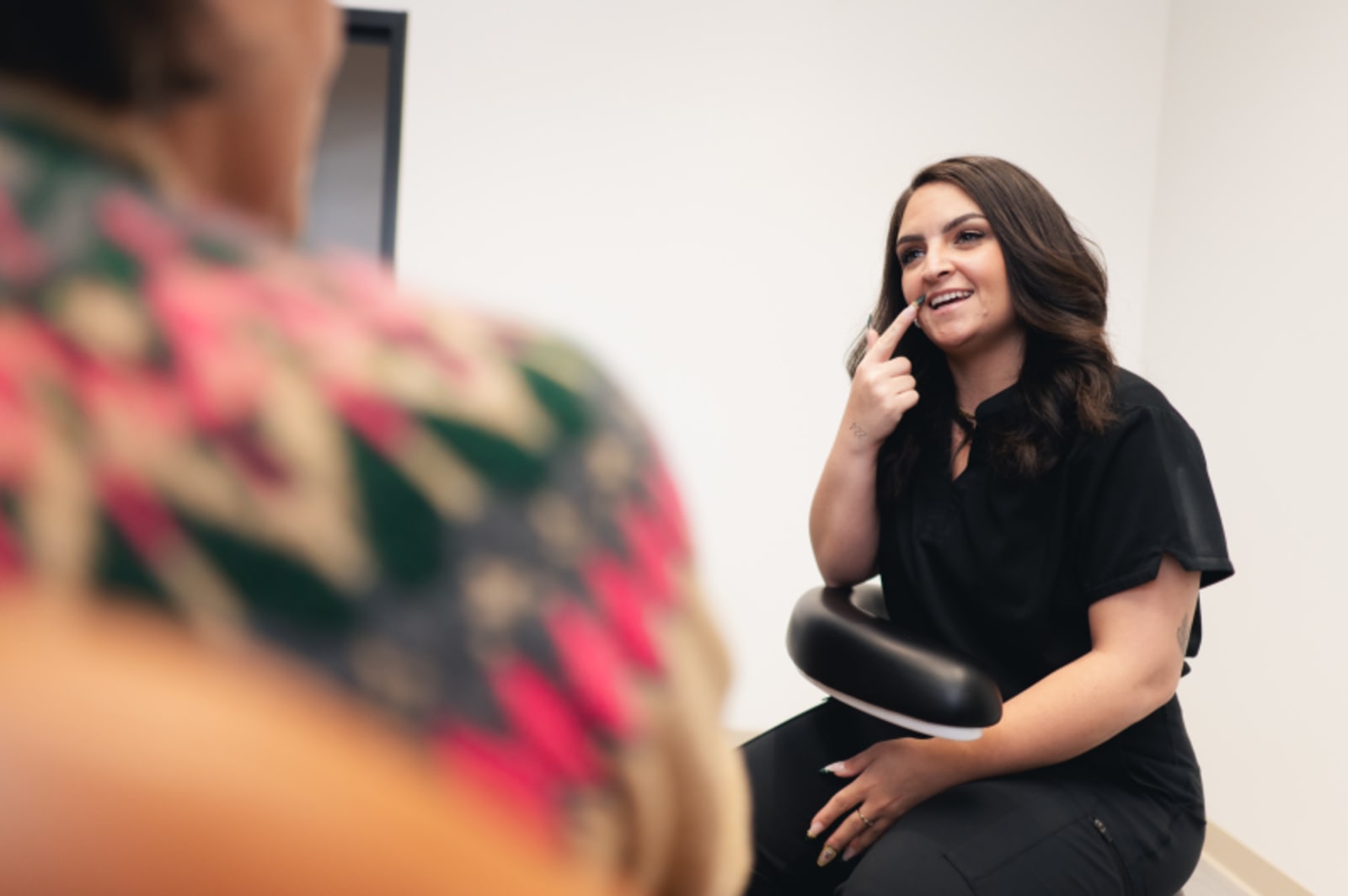
Dr. Chase Culbertson graduated from The Ohio State University College of Dentistry and has spent his career focused on full mouth reconstruction, implant surgery, and cosmetic dentistry. He has trained under some of the best instructors across North and South America, including advanced techniques for patients with severe bone loss who have been turned away elsewhere. Gum grafting is part of that same training, not a separate specialty he refers out.
There are a lot of dental offices advertising implant solutions in Dayton right now. What's different here is that Dr. Chase is your treatment planner, your surgeon, and your restoring dentist, all in one place. You won't be handed off to another provider or asked to start over with new records. Your whole treatment lives in one file, with one team that knows you by name.
Cozy space, on time, never rushed, never too busy to answer your questions. Kubo, Dr. Chase's dog and hiking partner, supervises around the office. We'd love for you to come in as a patient, and walk out as a friend.
The procedure itself shouldn't. The area is fully numb before we start, and sedation is available if you'd like an extra layer of comfort. Afterward, most people get by just fine with ibuprofen or acetaminophen, and we'll tell you how much and how often before you leave. Just reach out right away if the soreness is getting worse instead of better, if bleeding isn't stopping with gentle pressure, or if the site starts feeling worse a few days in rather than improving.
It depends on how your tissue heals and what else is planned. At your follow-up, we check whether the stitches are ready to come out, whether the grafted tissue is blending in with the gums around it in color and firmness, and whether there's enough thickness at the site to support an implant long term. Once we're happy with all of that, you move forward to implant placement, and we take care of that here too.
Not everyone does. As part of your implant consultation, we look at your gum tissue and bone support and only recommend grafting when it genuinely protects your long-term result. If you don't need it, we'll tell you that plainly.
That's always the goal. The tissue is placed to match the shape and color of the gums around it, and once it settles in, most people can't tell which tooth was treated.
It can restore the tissue that was lost, but the gum disease itself has to be under control before we graft. We take care of the active infection first, get the tissue into a healthy state, and then move forward with the graft. That order matters, because grafting over an active problem won't hold.
A successful graft is meant to be permanent. The two things most likely to cause problems down the road are grinding your teeth and gum disease that goes untreated. If you grind, let us know, because a nightguard takes that pressure off the tissue. Regular cleanings catch disease early, and we'll show you the brushing technique that keeps everything stable long term.
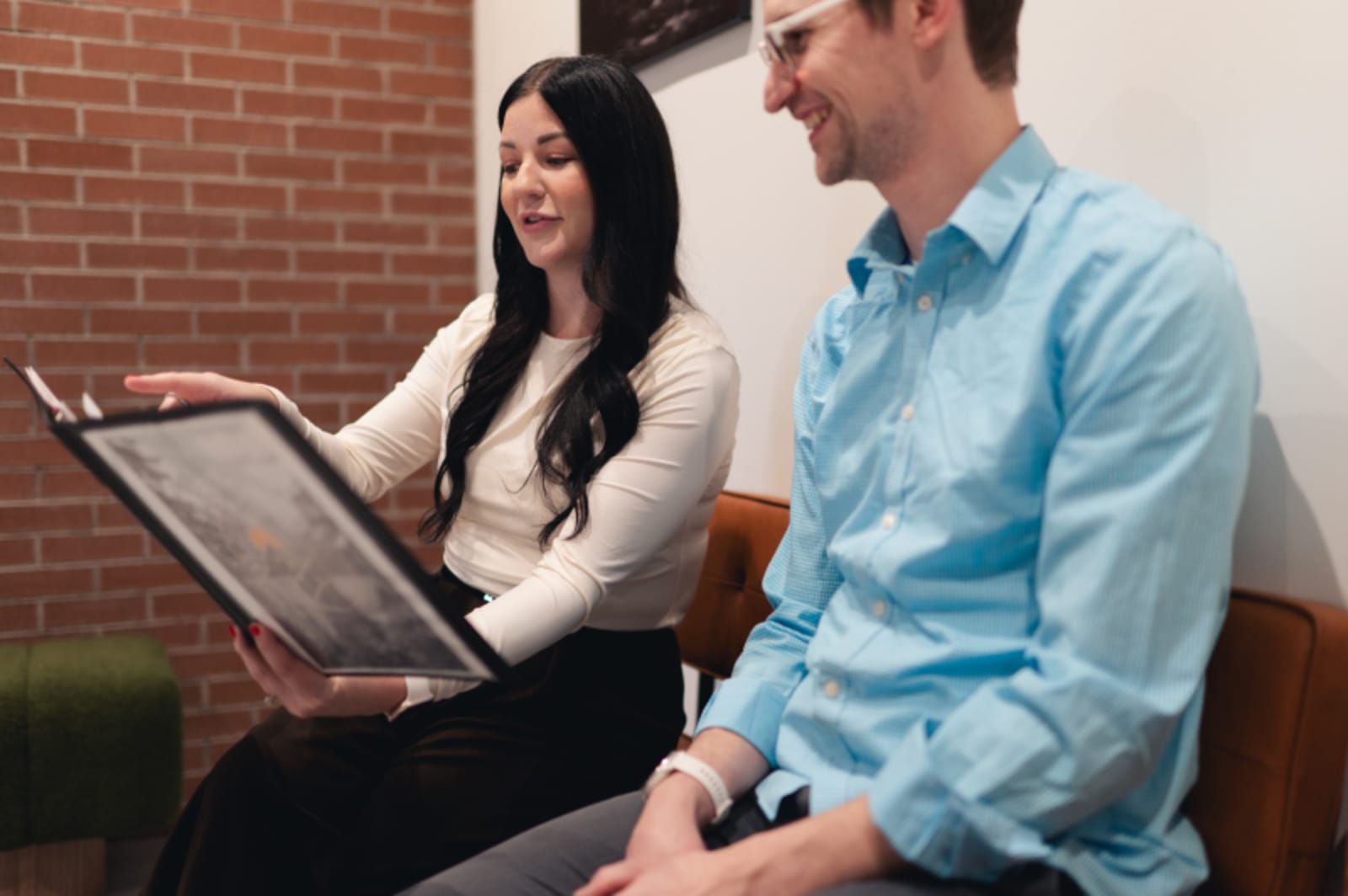
If someone has told you your gums need attention before the rest of your plan can move forward, you don't have to sort out the next steps on your own. Bring us whatever you have, x-rays, a treatment plan, notes from another office. We'll go through it together and tell you what we see.
A lot of our patients arrived mid-plan, with their implant case on hold while they waited on their gum health. Their tissue is healthy now, and the rest of their treatment moved forward, whether that was a full mouth reconstruction or a single crown. Dr. Chase handled every part of it, from the first treatment plan all the way through the final restoration.
We can't wait to meet you. Call Summit Dental Studio at (937) 977-1818 and we'll get you set up for a consultation.
Our team is here to help. Contact our office or schedule an appointment below to take your next step!